Algorithmic Models Linking Performance Indicators Across Field Events, Racquet Matches, and Track Finishes to Digital Game Mechanics in Portable Reward Systems
Written by Wendy Keller · Jul 23, 2026
Algorithmic Models Linking Performance Indicators Across Field Events, Racquet Matches, and Track Finishes to Digital Game Mechanics in Portable Reward Systems
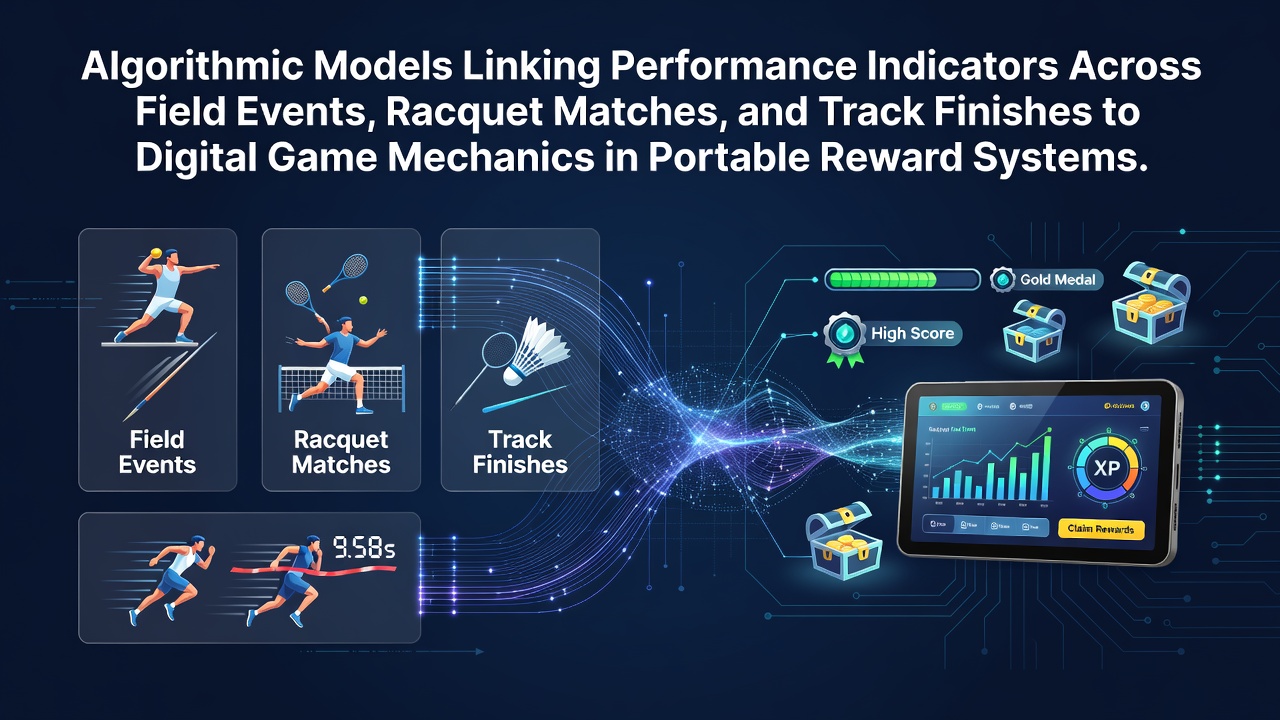
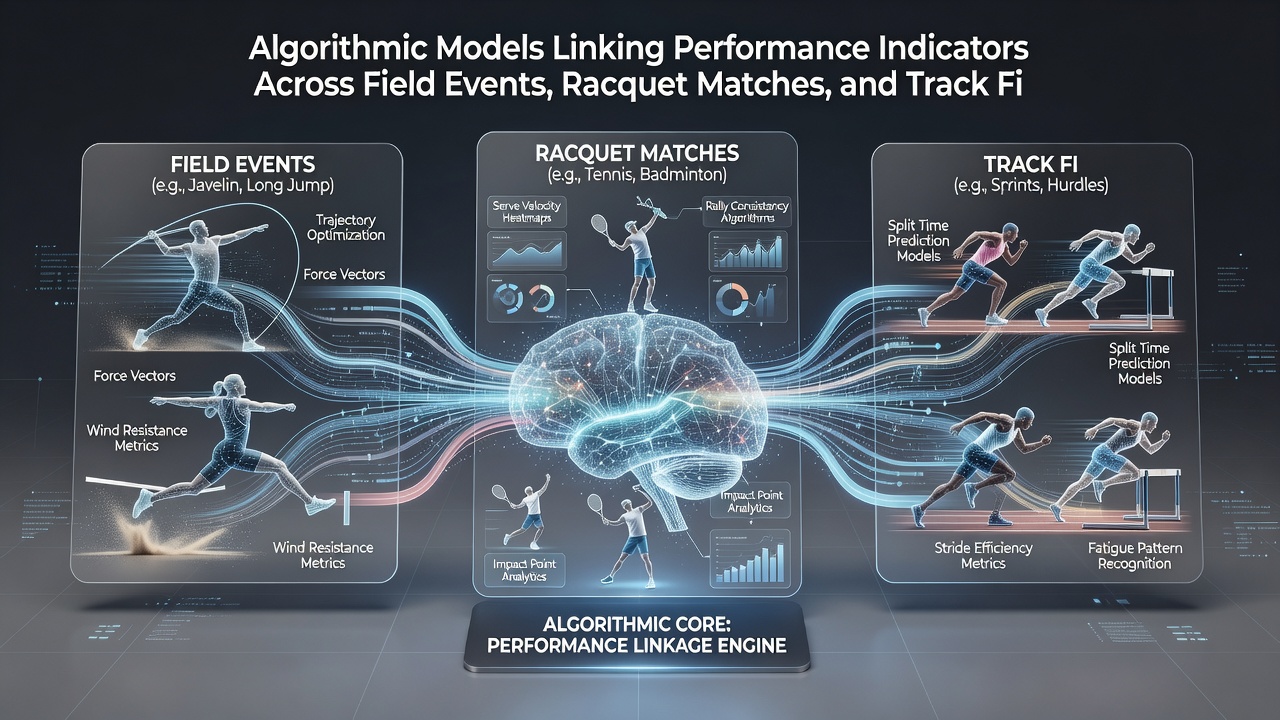
Developers have constructed algorithmic frameworks that translate measurable outcomes from field competitions, racquet sports, and track events into adjustable parameters within mobile reward applications. These systems pull raw statistics such as throw distances, rally durations, and split times, then map them onto game variables including point multipliers, unlock thresholds, and progression rates. In July 2026 several platforms released updated integration layers that handle live feeds from multiple disciplines simultaneously. Field event data often enters the pipeline through standardized timing and measurement protocols. Researchers at institutions focused on sports analytics have documented how javelin distances and shot put weights convert into scalar values that trigger bonus rounds in associated digital environments. The conversion process relies on regression models trained on historical competition records, which adjust for variables like wind speed and surface conditions before feeding results into the reward engine. Racquet match indicators follow a parallel pathway. Serve velocity figures and unforced error counts from professional circuits enter the same modeling layer, where they influence reel spin frequencies and symbol alignment probabilities in the portable application layer. Observers note that these mappings maintain consistency across different tournament surfaces because the underlying algorithms normalize inputs against venue-specific baselines. Track finish data completes the input set. Sprint times and relay split records supply temporal anchors that control countdown mechanics and streak counters inside the reward interfaces. Algorithm builders combine these inputs with field and racquet streams using weighted fusion techniques, ensuring that a strong track performance can offset weaker results from other categories within a single user session.Core Algorithm Components
Three primary modules handle the translation work. The first module performs feature extraction, isolating key performance indicators from each sport category and tagging them with temporal metadata. The second module applies normalization functions that scale values across disciplines so that a 10-meter improvement in long jump registers comparably to a 0.2-second reduction in 100-meter dash time. The third module executes the reward mapping, which determines how normalized scores alter digital game states such as energy levels or prize tiers.
Developers test these modules against anonymized competition datasets released by governing bodies. A 2025 technical report from the Australian Institute of Sport outlined validation procedures that compare model outputs against actual user engagement logs collected over six-month periods. Those procedures confirmed that the mapping functions preserve rank order of athlete performances while preventing extreme outliers from destabilizing game balance.
Integration with Portable Reward Architectures
Mobile reward platforms receive the processed outputs through secure API endpoints that update every few seconds during live events. Users accumulate points that convert into digital items or entry tickets for secondary game modes. The architecture separates real-time calculation from persistent storage, allowing the system to handle simultaneous inputs from events occurring in different time zones without latency spikes.
Engineers incorporate fallback logic that substitutes estimated values when live data streams experience interruptions. These estimates draw from rolling averages calculated over the preceding 30 days of competition data. The fallback routines maintain continuity in reward progression even when network conditions vary across regions.
Cross-Discipline Calibration Examples
One documented calibration exercise aligned decathlon scoring tables with reward multipliers inside a single application build. The exercise demonstrated that converting each decathlon event result into a percentile rank before applying the multiplier function produced more stable user progression curves than direct numeric mapping. Another calibration linked tennis set durations to bonus accumulation rates, showing that longer rallies generated proportionally higher reward density without exceeding predefined system caps.
These calibration steps rely on iterative feedback loops. Application logs supply usage statistics that developers review monthly, then adjust weighting coefficients accordingly. The process occurs entirely within the backend environment and does not expose raw athlete data to end users.
Regulatory and Technical Considerations
Platforms operating these models must comply with data handling requirements established by regional authorities. Canadian provincial gaming regulators, for instance, require periodic audits of the normalization algorithms to verify that no single sport category receives disproportionate influence over reward distribution. Similar oversight exists in other jurisdictions that license digital reward products.
Technical documentation released by the European Gaming Association in early 2026 highlighted the importance of version control for mapping functions. Each update receives a unique identifier, and rollback procedures exist to restore previous mappings within minutes if anomalies appear during live operation.
Conclusion
The linkage between athletic performance indicators and portable reward mechanics continues to evolve through incremental refinements to extraction, normalization, and mapping modules. Data from field events, racquet matches, and track finishes supplies the raw material that sustains these digital systems, while calibration routines ensure balanced integration across categories. Ongoing audits and technical standards maintain operational integrity as the volume of live inputs grows.