How Digital Platforms Integrate Racetrack Timings with Gridiron Play Calls and Court Rallies into Unified Smartphone Systems
Written by Theo Zimmermann · Jun 18, 2026
How Digital Platforms Integrate Racetrack Timings with Gridiron Play Calls and Court Rallies into Unified Smartphone Systems
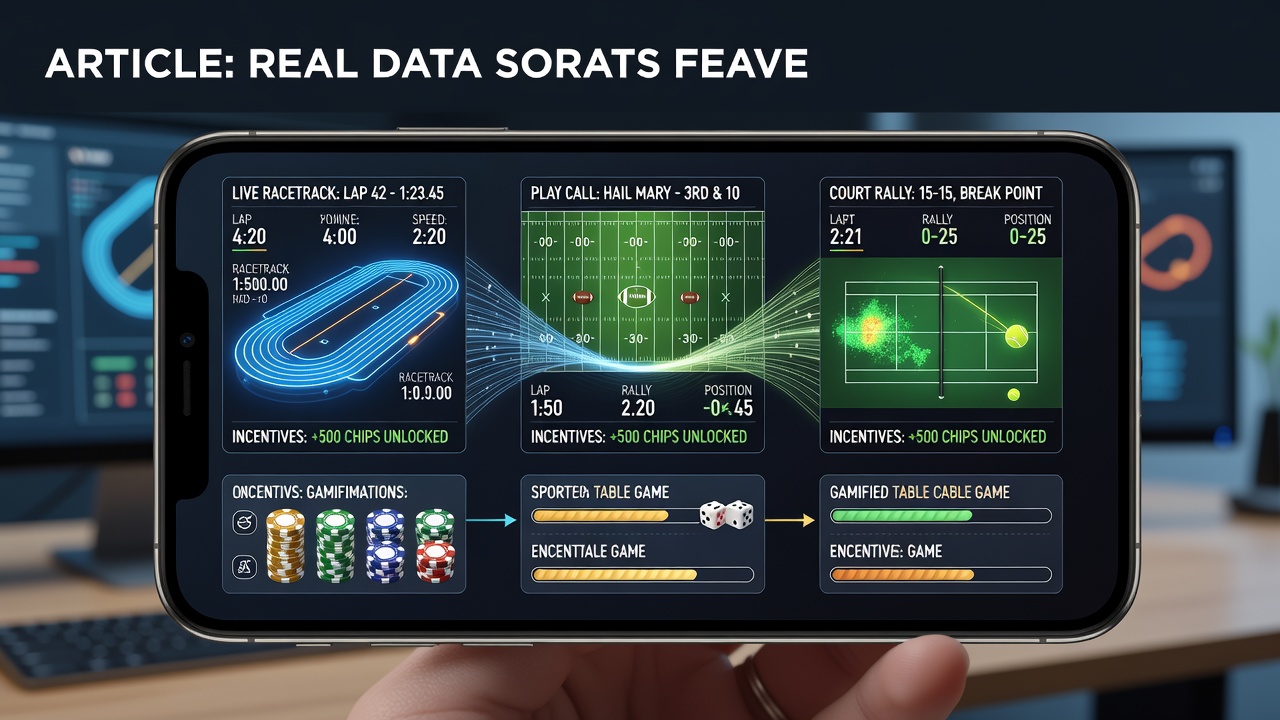
Digital platforms have developed systems that pull live racetrack timings directly into mobile interfaces while syncing gridiron play calls from professional football games and court rally statistics from tennis matches, then route those data streams into reward structures tied to table game sessions such as blackjack and roulette. These unified smartphone environments use application programming interfaces to combine athletic event metrics with casino incentive layers, allowing users to receive bonus credits or multiplier adjustments based on real-time performance indicators from multiple sports. Observers note that the technical architecture relies on low-latency data pipelines that update every few seconds, ensuring that a horse crossing the finish line or a quarterback completing a pass triggers immediate adjustments in the casino section of the same application.
Data Synchronization Across Athletic Feeds
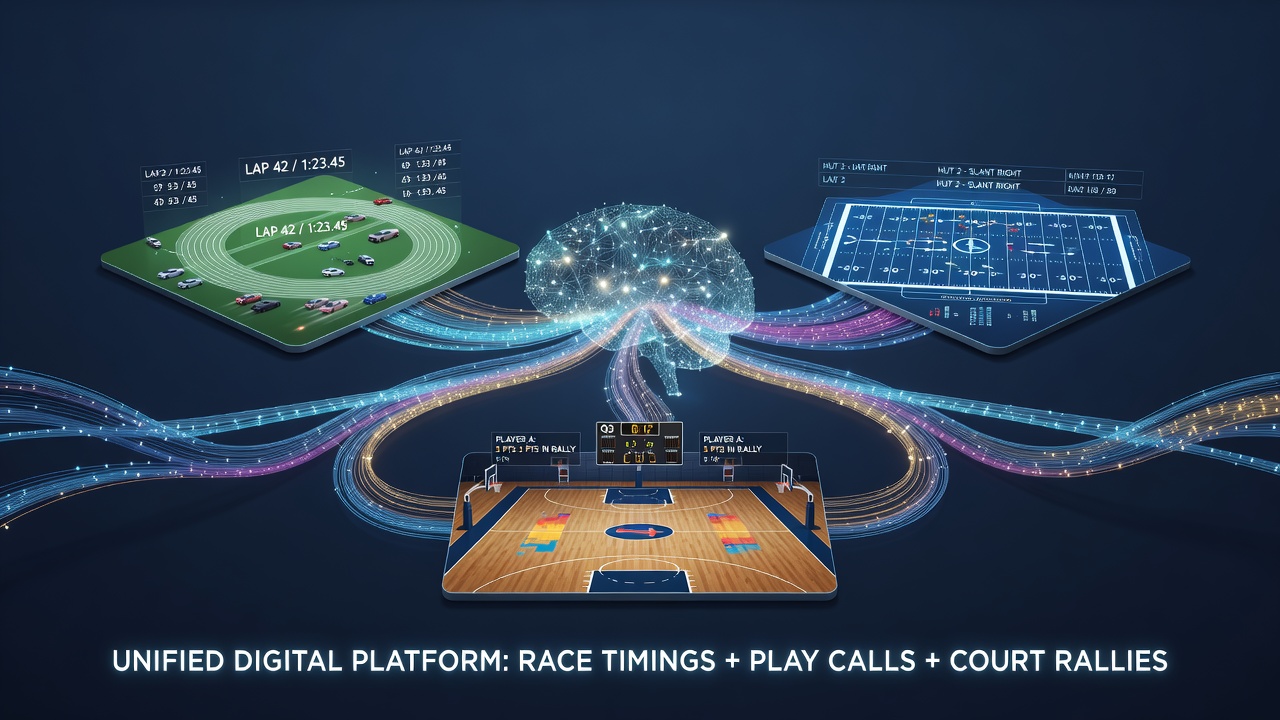
Engineers at major betting operators have built middleware layers that ingest timing data from racetracks through official industry feeds, merge it with play-by-play information from gridiron contests supplied by league data partners, and incorporate point-by-point rally outcomes from court sports via tennis governing body APIs. In June 2026 these integrations expanded to include secondary verification nodes that cross-check incoming athletic data against multiple sources before pushing updates into the unified mobile dashboard. The result is a single application screen where a user can monitor a thoroughbred's split times, review an upcoming football formation call, and track tennis serve percentages while an adjacent panel displays available table game tables with incentive indicators that fluctuate according to the athletic inputs. Research from the University of Nevada, Las Vegas International Gaming Institute shows that such synchronized feeds reduce latency to under three seconds in most tested networks, which supports continuous incentive calculations without requiring users to switch between separate applications.
Incentive Structures Blending Sports and Table Games
Table game incentives within these platforms activate when specific athletic thresholds are met, such as a horse finishing within a certain margin or a football drive exceeding a yardage benchmark, and the same logic extends to court rally streaks that unlock progressive multipliers for roulette spins. Operators structure these rewards through tiered loyalty engines that assign point values to each data type, then convert accumulated points into table game credits or deposit matches. Figures from the Nevada Gaming Control Board indicate that cross-category incentive redemptions increased by 18 percent during the first half of 2026 compared with the prior year, reflecting broader adoption of unified systems. Users receive notifications inside the application when an athletic event metric aligns with a pending table game session, prompting them to switch to blackjack or baccarat without leaving the primary interface. This approach keeps engagement within one environment rather than fragmenting activity across standalone sports and casino products.
Technical Architecture and Security Measures
The underlying architecture employs containerized microservices that isolate each sport's data ingestion channel while maintaining a shared incentive calculation service accessible to all table game modules. Security protocols include end-to-end encryption for athletic data packets and token-based authentication that prevents unauthorized injection of false timing or play-call information. Industry reports compiled by the European Gaming and Betting Association highlight that operators in multiple jurisdictions completed third-party audits of these unified systems in early 2026, confirming compliance with data integrity standards. The same reports document that failover mechanisms reroute feeds through backup servers within 800 milliseconds when primary sources experience disruptions, preserving continuity for both sports tracking and table game incentive delivery.
Regulatory Context in Multiple Jurisdictions
State regulators in the United States and provincial authorities in Canada have begun issuing guidance specific to blended athletic and table game platforms, requiring clear separation between skill-based sports data displays and chance-based table game outcomes. In June 2026 the New Jersey Division of Gaming Enforcement released updated technical standards that mandate audit logs capturing every athletic data point used to trigger a table game incentive. Similar frameworks under review in Australian states emphasize consumer disclosure when racetrack timings or gridiron statistics influence bonus eligibility. These regulatory steps aim to maintain transparency while permitting operators to continue refining the technical connections between athletic feeds and casino reward layers.
Conclusion
Unified smartphone systems now routinely combine racetrack timings, gridiron play calls, and court rally data with table game incentive engines through standardized data pipelines and loyalty calculations. Operators continue to expand these capabilities as regulatory bodies refine oversight frameworks and technical standards evolve to support secure, low-latency integration across sports and casino products. The pattern established through 2026 shows sustained investment in middleware and verification layers that keep athletic information and table game rewards synchronized within single mobile applications.