How Portable Applications Bridge Real-Time Athletic Updates with Equine and Court Sport Selections in Digital Environments
Written by Theo Zimmermann · May 28, 2026
How Portable Applications Bridge Real-Time Athletic Updates with Equine and Court Sport Selections in Digital Environments
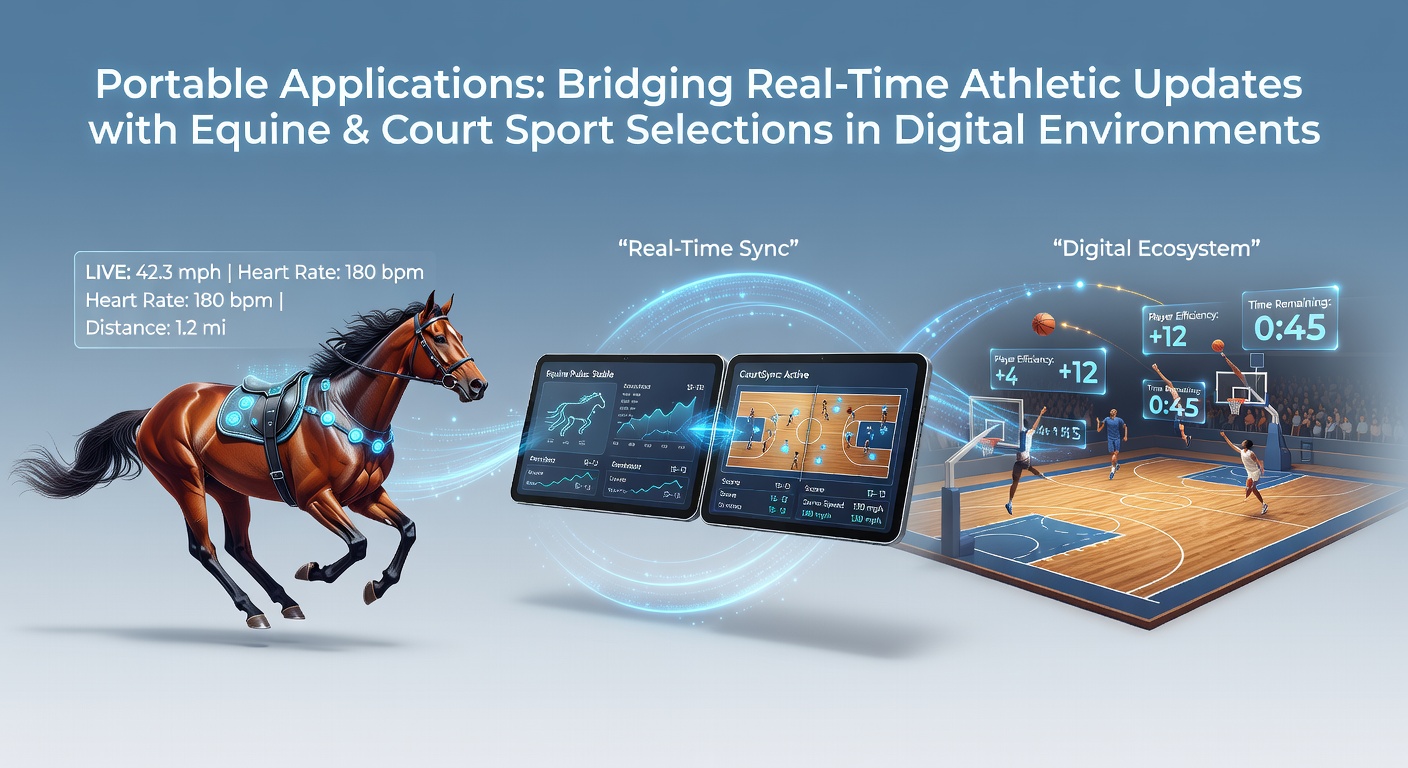
Portable applications have transformed access to live athletic information by connecting users directly to data streams from equine events such as thoroughbred racing alongside court sports including tennis and basketball in unified digital platforms, and these tools allow seamless selection of specific competitions while delivering continuous updates without requiring separate channels or manual refreshes. Developers integrate application programming interfaces from timing systems and venue sensors so that horse positions during races appear alongside player statistics and score progressions from indoor or outdoor courts within the same interface.
Technological Foundations Supporting Live Data Integration
Engineers rely on cloud-based synchronization protocols that pull information from GPS trackers on horses and optical tracking cameras positioned around tennis courts or basketball arenas, which means selections made by users trigger personalized notification queues that update every few seconds during active play. Research from institutions in Canada shows that mobile networks in 2026 handle bandwidth demands from simultaneous equine and court sport streams more efficiently than earlier generations of wireless technology allowed. Observers note that cross-platform compatibility ensures the same application functions across different operating systems while maintaining consistent data accuracy for events scheduled in May 2026.
Equine Sports Coverage Through Mobile Interfaces
Applications focused on horse racing compile entries from multiple tracks into selectable lists where users choose races and receive immediate details on starting gates, pace figures, and finish-line results as they occur. Sensors attached to each animal transmit speed and heart-rate metrics that appear on device screens moments after collection, and these feeds combine with weather data from the venue to give context for performance variations. Industry reports from Australian sports technology groups indicate that equine event coverage expanded in portable formats during early 2026 as organizers standardized data formats for easier integration. Those who monitor multiple tracks simultaneously benefit from tabbed views that keep selected races visible without losing real-time court sport information in adjacent sections of the same screen.
Court Sport Updates and User Selection Features
Tennis and basketball applications present match schedules that users filter by surface type, tournament round, or team roster before activating live tracking modes. Point-by-point scoring in tennis appears alongside serve-speed readings while basketball interfaces show shot charts and player substitution logs updated from arena scoring systems. Data collected through partnerships with leagues in the European Union demonstrates that portable platforms reduced latency between on-court actions and digital displays to under two seconds by May 2026. Users often maintain several court sport selections active at once and switch focus using gesture controls that preserve equine race notifications in the background.
Interoperability Between Equine and Court Sport Modules
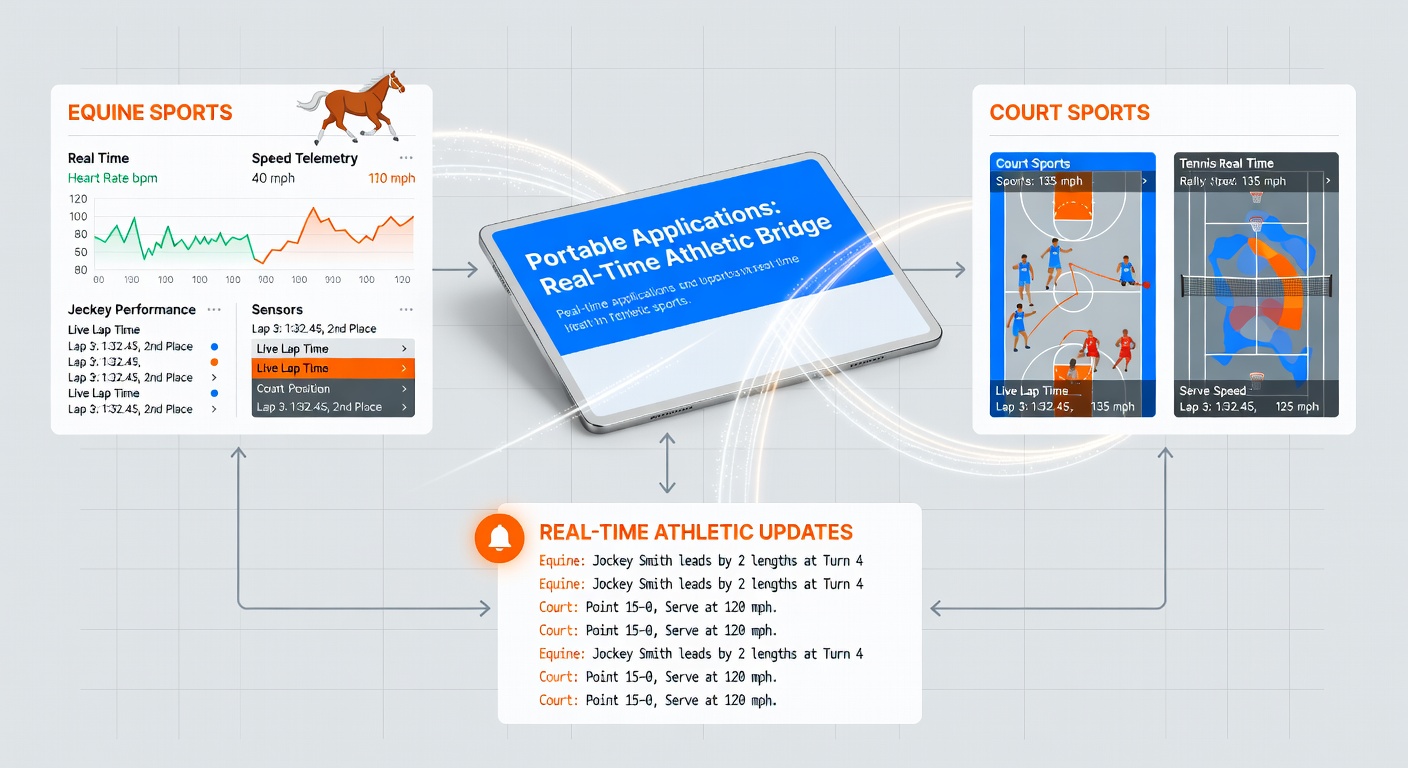
Modern portable applications employ modular architecture that lets equine data modules exchange timestamps with court sport modules so users can follow a horse race start while monitoring a tennis set changeover without manual intervention. Developers test these connections against regulatory standards set by communications authorities in multiple regions to maintain service reliability during peak event periods. Studies conducted at universities in Australia highlight how shared databases reduce duplication of effort when organizers supply both horse-racing and court-sport feeds to the same application ecosystem. People who follow mixed schedules appreciate the ability to pre-load selections for evening basketball games and morning thoroughbred meetings within one profile that syncs across devices.
Real-Time Notification Systems and Accessibility
Push notification frameworks alert users to critical moments such as a horse breaking from the gate or a basketball team entering overtime, and these alerts draw from the same selection preferences established earlier in the session. Accessibility options within applications convert live text updates into audio descriptions for equine pace changes or court sport fouls, expanding reach to broader audiences. Figures released by Canadian digital infrastructure agencies in 2026 confirm increased adoption of these features among users who track both horse racing circuits and professional tennis tours concurrently. Integration with wearable devices further extends the bridge by mirroring selected updates onto watches while the primary phone application continues collecting deeper statistical layers.
Future Developments Anticipated After May 2026
Continued refinement of edge computing capabilities promises to shorten data paths even more between venue sensors and portable screens, allowing selections across equine and court sports to refresh at sub-second intervals. Partnerships between application providers and international sports federations aim to standardize metadata tags that improve search and filtering functions for users managing large numbers of simultaneous events. Evidence gathered by research teams in the European Union suggests these advances will support higher volumes of concurrent users without compromising accuracy in either horse racing or court sport categories. Observers tracking industry patterns expect portable platforms to incorporate augmented overlays that display equine track conditions next to basketball court diagrams when users request comparative views.
Conclusion
Portable applications continue to serve as the primary conduit linking real-time athletic data streams from equine competitions and court sports within cohesive digital environments, and ongoing technical improvements ensure selections remain responsive throughout active seasons. Organizations responsible for data governance across regions maintain oversight that supports consistent delivery standards as usage grows through 2026 and beyond.