Metric Alignments Across Field Contests, Court Actions, and Reel Mechanisms in App-Driven Loyalty Programs
Written by Wendy Keller · Jun 13, 2026
Metric Alignments Across Field Contests, Court Actions, and Reel Mechanisms in App-Driven Loyalty Programs
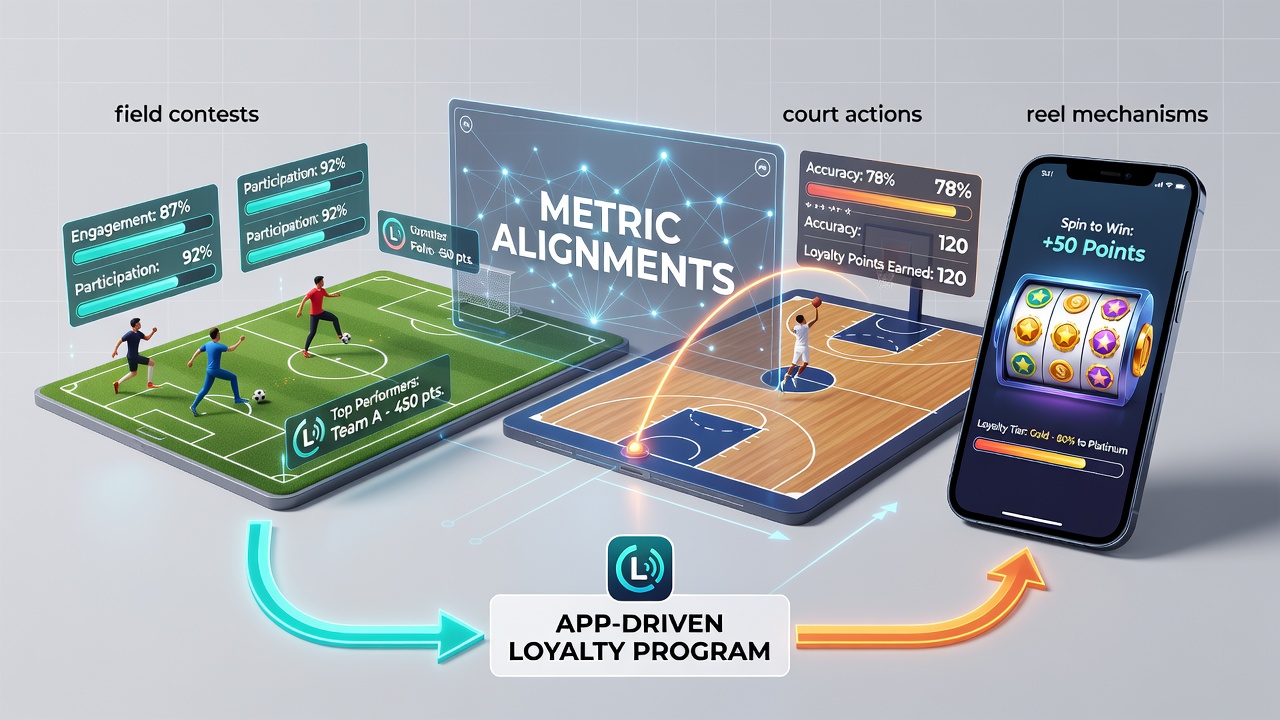
App-driven loyalty programs now integrate performance data from field contests such as track events and field sports with court actions in basketball and tennis alongside reel mechanisms in digital slot environments and these alignments create unified reward structures that track user engagement across multiple formats. Developers synchronize these elements through shared data protocols that convert activity from each domain into standardized points and this approach allows participants to accumulate benefits regardless of whether they engage with running metrics, scoring sequences on courts, or spin outcomes on reels.
Core Components of Cross-Domain Metric Tracking
Field contest data typically includes distance covered, speed records, and completion times while court actions capture points scored, rally lengths, and accuracy percentages and reel mechanisms record spin frequency, symbol combinations, adn payout multipliers. Loyalty platforms map these inputs to common scales so that a completed marathon segment contributes equivalent value to a series of successful three-point shots or consecutive reel wins and this mapping relies on algorithms that normalize outputs from disparate sources into single ledgers visible within mobile interfaces.
Researchers at institutions such as the University of Nevada, Reno have documented how these normalization processes operate in live environments where data flows from wearable sensors during field events feed directly into the same backend systems that process court simulation results and reel engine logs. The result appears in user dashboards that display cumulative progress bars updated in real time and participants receive tiered rewards once thresholds are crossed across any combination of the three categories.
Technical Integration in Mobile Ecosystems
Modern applications employ application programming interfaces that pull live feeds from field tracking hardware, court analytics engines, and reel servers simultaneously and these interfaces operate under standardized data schemas developed by industry groups including the American Gaming Association. When a user completes a virtual field challenge or advances through court-based mini-games the system registers the outcome alongside reel session statistics and this concurrent logging prevents fragmentation that once limited reward portability between activity types.
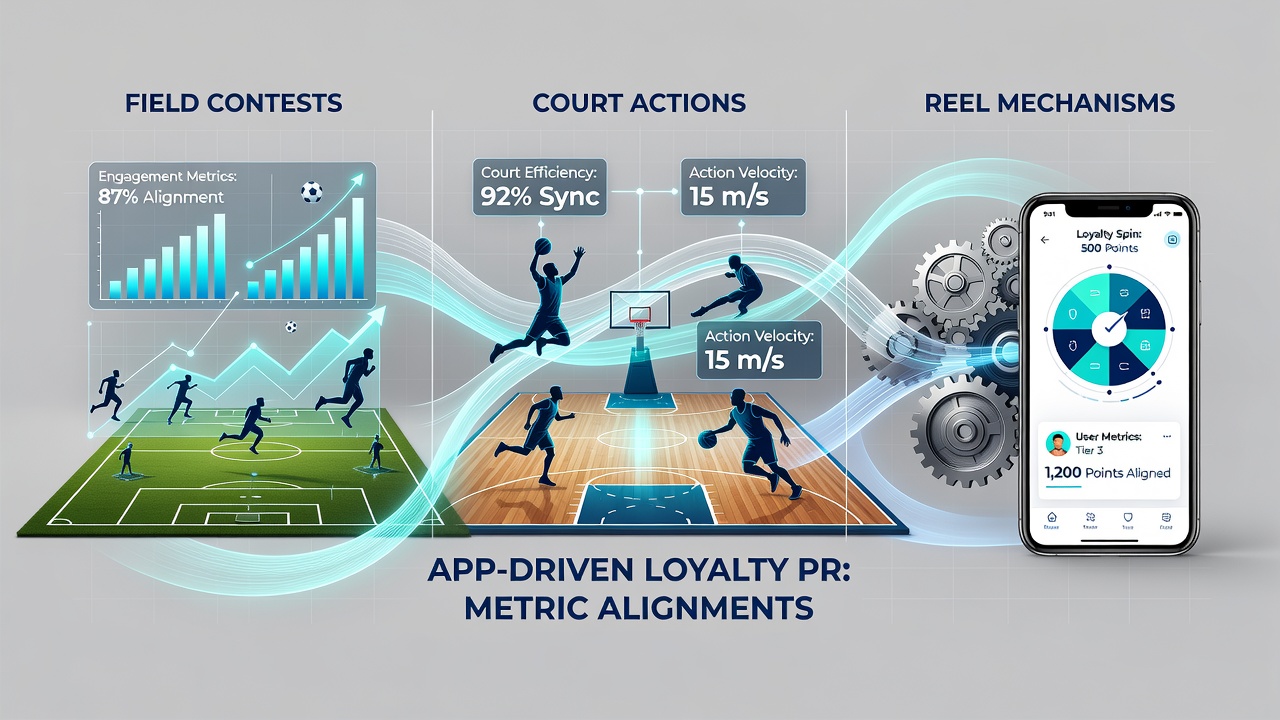
Developers achieve alignment through timestamp synchronization and categorical weighting factors that adjust for event duration and difficulty and the process ensures that extended field sessions receive comparable credit to high-frequency reel interactions. Updates rolled out in early 2026 expanded these weighting models to incorporate seasonal variations reported by operators in multiple jurisdictions and the changes produced measurable increases in cross-category participation according to aggregated platform analytics.
Regulatory and Compliance Considerations in 2026
State-level frameworks in Illinois and additional jurisdictions have begun to address how loyalty metrics derived from combined field, court, and reel activities fall under existing gaming taxation structures and legislation passed in June 2026 clarified reporting requirements for operators who maintain unified point systems. Compliance teams now audit alignment algorithms to verify that reward calculations remain transparent and that no single category receives disproportionate weighting that could trigger additional oversight.
International bodies such as the Australian Communications and Media Authority have issued guidance documents that recommend consistent audit trails for cross-domain loyalty data and several European regulators have adopted similar positions that emphasize user consent for metric sharing across activity types. Operators respond by publishing technical summaries that detail how field timestamps, court statistics, and reel outcomes converge within their loyalty engines and these disclosures support ongoing regulatory reviews without disrupting program functionality.
Observed Patterns in User Engagement Data
Platform reports indicate that users who distribute activity evenly across field contests, court actions, and reel sessions maintain higher retention rates than those focused on single categories and this pattern emerges because aligned metrics unlock bonus multipliers that single-domain participants cannot access. One documented case involved a regional operator whose June 2026 campaign linked marathon training logs with basketball simulation scores and slot reel histories and participants who engaged all three elements reached premium tiers 40 percent faster than peers who limited their activity.
Data from research consortia tracking North American and Asia-Pacific markets shows consistent growth in multi-category loyalty accounts through the first half of 2026 and the figures reveal that reel mechanism contributions often serve as the bridge that converts sporadic field or court engagement into sustained program involvement. Operators continue to refine the underlying algorithms to maintain balance while preserving the distinct character of each contest type.
Conclusion
Metric alignments across field contests, court actions, and reel mechanisms have become a defining feature of contemporary app-driven loyalty programs and the technical, regulatory, and engagement dimensions continue to evolve in parallel. Operators that maintain transparent integration methods while complying with jurisdiction-specific rules position their platforms to support expanding user bases that value unified reward pathways. Ongoing developments through 2026 indicate that these systems will incorporate additional data streams as sensor technology and analytics capabilities advance yet the core principle of converting diverse activity into shared loyalty value remains constant.