Reward Synchronization Mechanisms Across Digital Table Games and Various Athletic Competitions on Smartphone Platforms
Written by Iris Brooks · Jul 2, 2026
Reward Synchronization Mechanisms Across Digital Table Games and Various Athletic Competitions on Smartphone Platforms
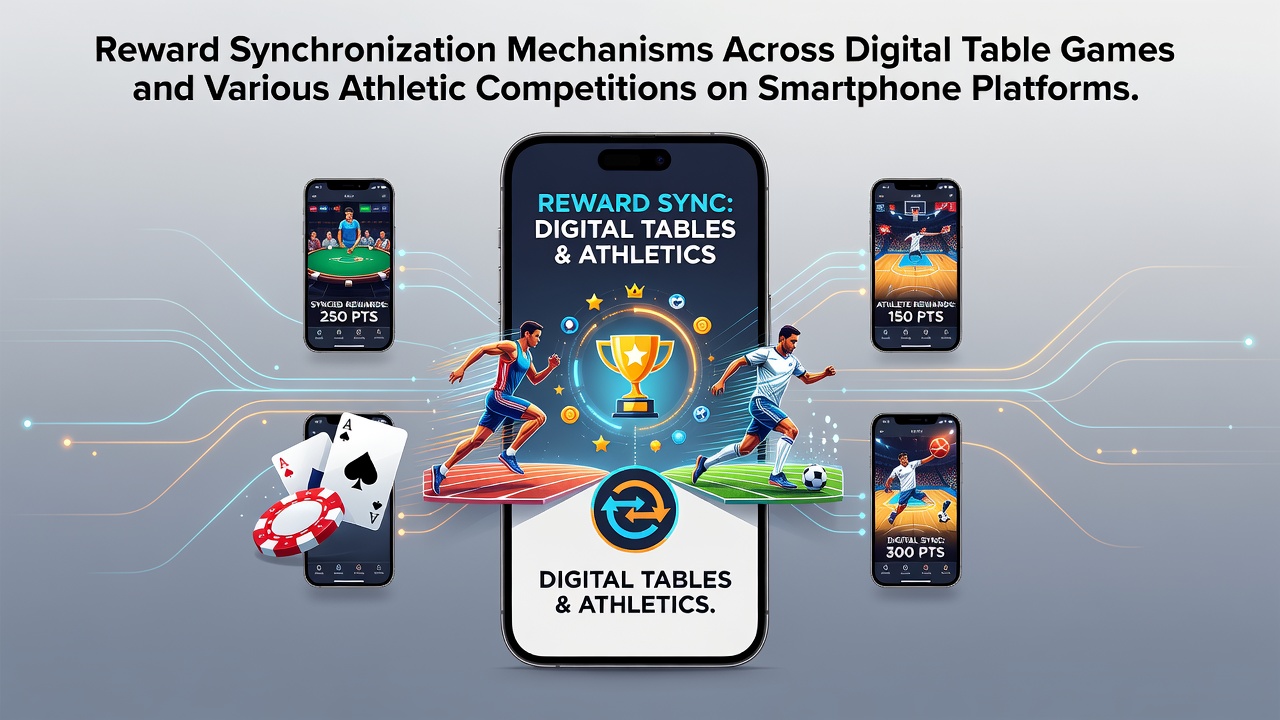
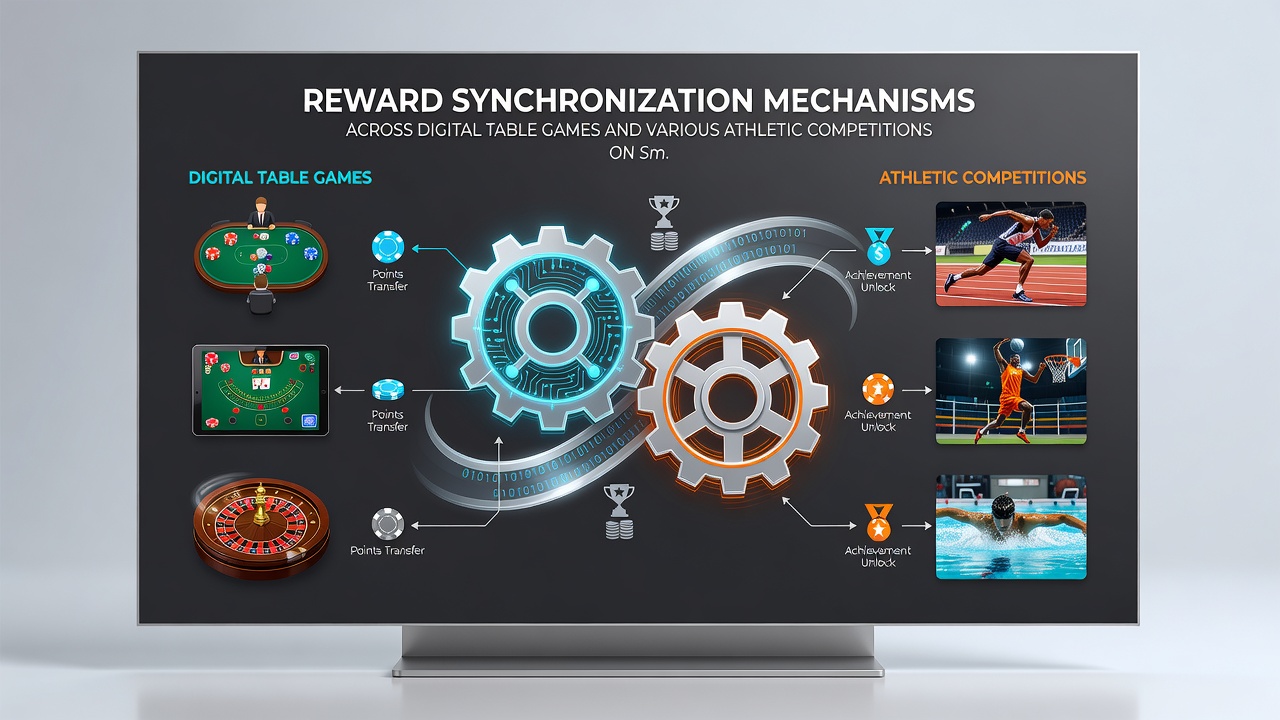
Digital platforms have developed reward synchronization mechanisms that align player incentives across table games such as blackjack, roulette, and poker with outcomes from athletic competitions including football, tennis, baseball, and horse racing. These systems operate through mobile applications where points, bonuses, and loyalty tiers update in real time based on activity in both casino-style games and sports wagering modules. Data streams connect game results from digital tables directly to sports event timelines, allowing users to accumulate unified rewards without separate tracking.
Core Technical Architecture
Smartphone applications employ application programming interfaces that pull live data from athletic events while monitoring table game sessions on the same device. When a baseball at-bat concludes or a horse finishes a race, the platform logs corresponding points alongside blackjack hand results or roulette spins completed moments earlier. Synchronization occurs through timestamped ledgers that match event durations, such as aligning a tennis rally sequence with concurrent poker rounds, which ensures rewards reflect combined participation rather than isolated play.
Developers integrate cloud-based servers to handle these alignments, processing inputs from multiple sports feeds and table game engines simultaneously. In July 2026, several major operators expanded these connections to include gridiron play calls with baccarat sessions, creating seamless point transfers across categories. The architecture supports cross-verification protocols that prevent discrepancies between athletic timelines and table game progressions.
Implementation in Mobile Ecosystems
Users access these synchronized rewards through single dashboard views on their smartphones, where progress bars update after each sports wager settles or table game round ends. Loyalty programs calculate multipliers based on combined metrics, such as total hands played during a live soccer match window or spins completed while following baseball innings. Platforms maintain separate ledgers for each category yet merge them at the reward distribution stage, which distributes bonuses like free plays or deposit matches proportionally.
Observers note that synchronization reduces fragmentation by allowing points earned in one domain to unlock features in another. For instance, a series of successful table game sessions might elevate a tier that applies to upcoming athletic event bets, with the mobile interface displaying pending alignments in advance. Industry reports indicate adoption rates have risen steadily since 2024 as operators refined data pipelines for faster reconciliation.
Regional Regulatory Influences
Regulatory frameworks in various jurisdictions shape how these mechanisms function on smartphone platforms. The New Jersey Division of Gaming Enforcement requires transparent logging of synchronized rewards to ensure fair distribution across table games and sports modules. In Canada, Ontario's Alcohol and Gaming Commission oversees similar integrations, mandating that athletic competition data aligns correctly with digital table outcomes before points release. Australian state authorities have issued guidelines on unified loyalty tracking, emphasizing audit trails for cross-category rewards.
Platforms adjust their synchronization logic to comply with these rules, incorporating region-specific filters that activate based on user location detected via device GPS. This approach maintains consistency while respecting local oversight, with updates deployed through app stores to reflect evolving standards.
Data Integration Patterns
Studies from research institutions highlight common patterns in how data flows between athletic competitions and table games. Timestamps from live events, such as pitch matches or court rallies, merge with reel mechanisms and card draws through standardized formats. One analysis from a European gaming research center revealed that synchronized systems handle peak loads during overlapping schedules, like major tennis tournaments coinciding with high-volume blackjack play periods.
Operators utilize machine learning models to predict alignment opportunities, flagging moments when sports event lulls match slower table game paces for optimal reward calculations. These models draw on historical datasets that track user behavior across both domains, refining synchronization without altering core game mechanics.
Future Developments in Unified Systems
Emerging technologies continue to enhance reward synchronization on smartphone platforms. Blockchain elements appear in some ledgers to verify point transfers between table games and athletic competitions, adding layers of traceability. As of July 2026, developers test enhanced real-time APIs that incorporate additional sports like volleyball alongside expanded table variants such as three-card poker.
These advancements support broader ecosystem growth while preserving the factual integrity of reward allocations. Data from trade associations shows continued investment in these areas, driven by demand for cohesive mobile experiences that span diverse gaming and wagering formats.
Conclusion
Reward synchronization mechanisms represent established infrastructure in smartphone-based entertainment, connecting digital table games with athletic competitions through coordinated data handling and compliance measures. The systems deliver unified tracking that reflects participation across categories, supported by technical architectures refined through ongoing regional oversight and integration improvements. As platforms evolve, these alignments maintain operational consistency for users engaging with multiple formats in single applications.