Reward Triggers Linked to Concurrent Finishes in Field Play, Court Action, and Equine Events Through Unified Mobile Interfaces
Written by Theo Zimmermann · Jul 18, 2026
Reward Triggers Linked to Concurrent Finishes in Field Play, Court Action, and Equine Events Through Unified Mobile Interfaces
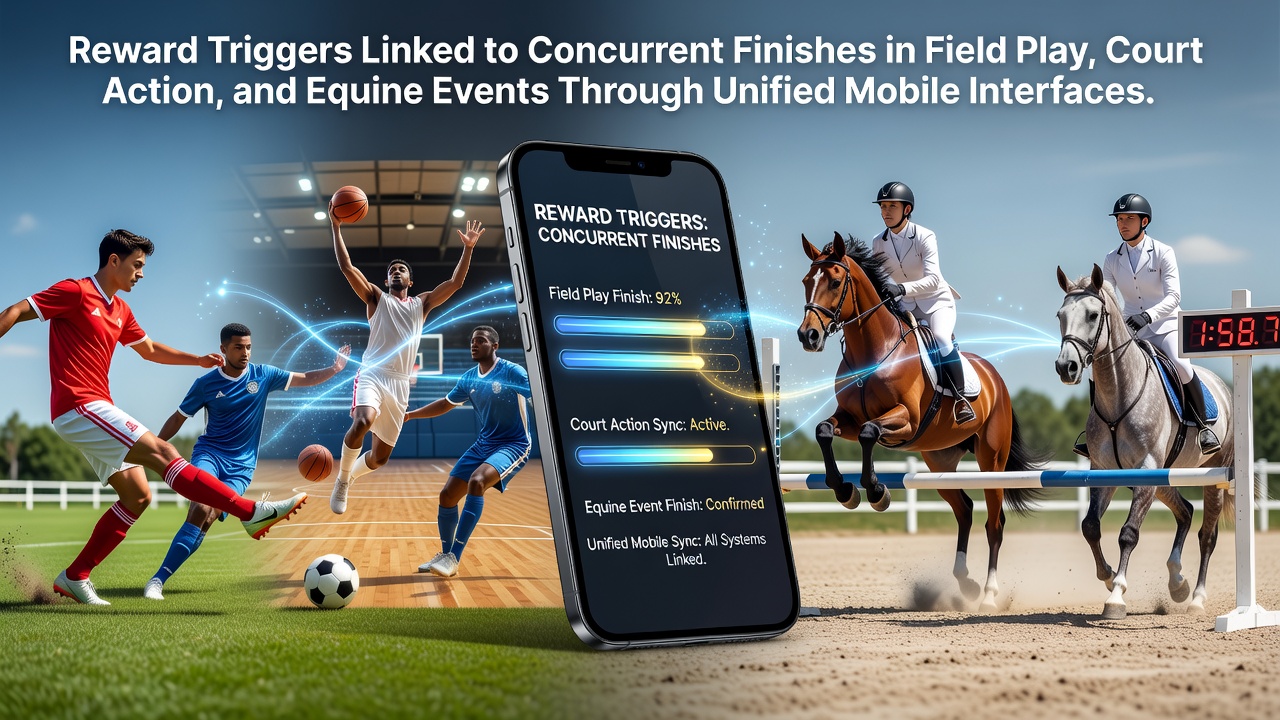
Unified mobile interfaces now connect reward systems across field play such as soccer matches, court action including basketball and tennis contests, and equine events like thoroughbred races, allowing operators to activate bonuses when finishes occur at overlapping times. These platforms pull live data feeds from multiple venues and feed them into single user dashboards where timing alignments generate automatic triggers for loyalty points, cashback offers, and tiered promotions. Industry reports from 2026 show that such synchronization increases session durations because users remain engaged while monitoring several event types simultaneously rather than switching between separate applications.
Data Synchronization Mechanisms Across Event Categories
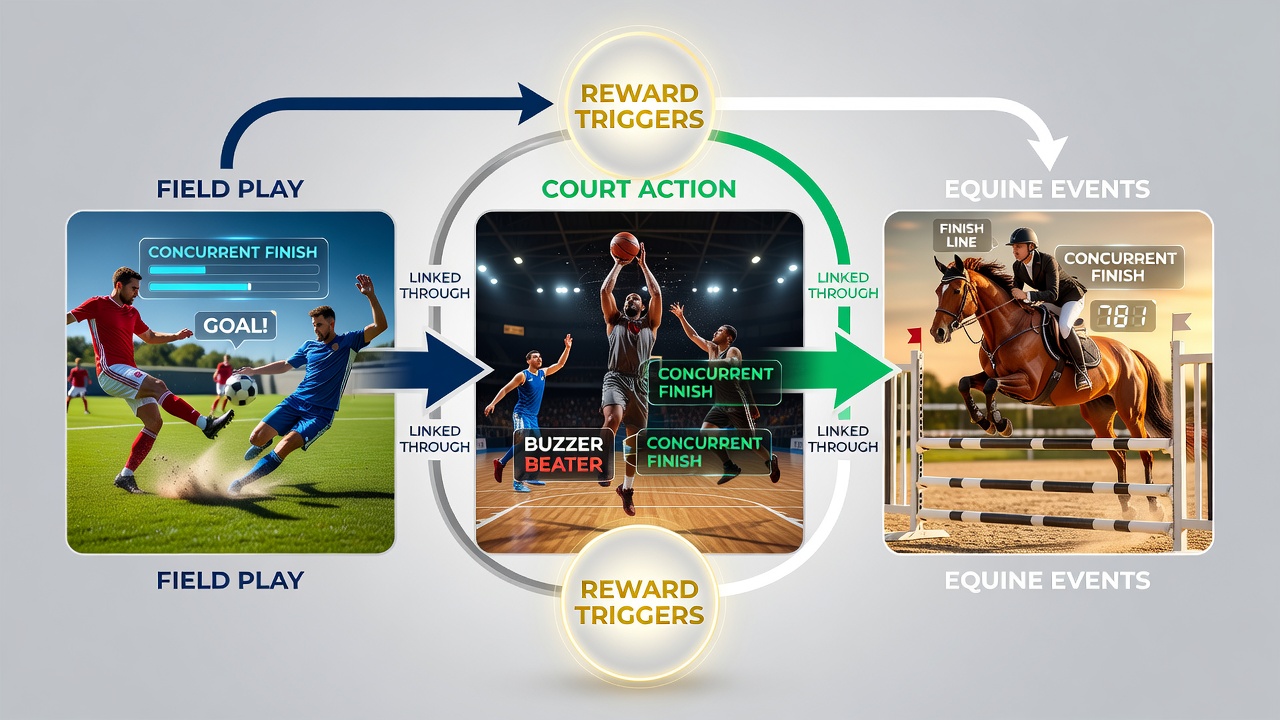
Application developers integrate application programming interfaces from sports leagues, racetracks, and court venues into centralized servers that timestamp each completion moment with millisecond precision. When a soccer match concludes within seconds of a basketball quarter ending and a horse race crossing the wire, the system identifies the cluster and applies predefined reward rules without manual intervention. Observers note that this approach relies on standardized data formats adopted by major leagues and racing authorities, which reduces latency and ensures consistent trigger activation across geographic regions. In July 2026 platforms handling these multi-category feeds reported processing volumes exceeding previous quarterly averages during periods of dense scheduling such as international tournaments overlapping with domestic racing calendars.
User Engagement Patterns in Combined Event Environments
Participants who access these interfaces often maintain active sessions longer when reward triggers activate at concurrent finishes, according to metrics shared by several North American operators. The rewards themselves range from instant multipliers on subsequent wagers to entry into prize pools that draw from aggregated activity across all three categories. Research conducted by academic groups examining mobile gambling behavior indicates that visual notifications highlighting the alignment of finishes encourage continued platform use, particularly among users who follow both team sports and racing calendars. One documented case involved a midsize operator that introduced alignment-based bonuses during a weekend featuring overlapping Major League Baseball games, professional tennis tournaments, and prominent stakes races, resulting in measurable upticks in cross-category navigation within the application.
Regulatory Context and Platform Compliance in 2026
Regulatory bodies in multiple jurisdictions have begun reviewing how reward triggers tied to concurrent finishes intersect with existing rules on bonus structures and responsible gaming features. The Australian Communications and Media Authority has examined data flows in similar unified systems to assess transparency requirements for users, while Canadian provincial regulators have requested detailed logs of trigger events to verify fair distribution of promotional credits. These reviews focus on ensuring that automated rewards do not create unintended incentives that conflict with session limit tools or self-exclusion protocols already embedded in the applications. Operators maintain audit trails that record each alignment event, the participating users, and the specific reward issued, allowing authorities to perform retrospective checks without disrupting live operations.
Technical Infrastructure Supporting Real-Time Alignments
Cloud-based processing clusters handle the ingestion of timing data from diverse sources, applying algorithms that calculate proximity windows typically set between zero and thirty seconds for concurrent classification. When thresholds are met, the reward engine queries user profiles to determine eligibility based on prior activity levels and account status before delivering the outcome through push notifications or in-app banners. European Gaming and Betting Association members have shared technical specifications that emphasize redundancy in data pipelines, ensuring that a single venue feed outage does not prevent recognition of alignments involving other categories. This infrastructure also supports geographic customization, allowing different reward parameters in jurisdictions with varying promotional guidelines while maintaining a consistent user experience within the same application.
Examples of Cross-Category Reward Scenarios
Consider a scenario where a Premier League soccer match finishes at the same moment as a Breeders' Cup race and an NBA playoff quarter. The mobile interface registers all three completions, checks configured trigger conditions, and issues a combined bonus such as enhanced odds on a follow-up selection or bonus loyalty points scaled to the user's historical engagement across those sports. Another instance involves tennis grand slam matches concluding near the finish of harness racing events, where the system activates cashback on net losses accumulated during the overlapping window. These examples illustrate how the architecture accommodates variable event durations and scheduling densities without requiring separate applications for each sport type.
Conclusion
Unified mobile interfaces continue to evolve their capacity to link reward triggers with concurrent finishes across field, court, and equine categories through precise data synchronization and rule-based automation. Regulatory oversight in 2026 focuses on compliance documentation and user protection measures while platforms refine their technical frameworks to handle increasing volumes of aligned events. Data from industry associations and academic studies provides ongoing insight into engagement patterns that result from these synchronized reward mechanisms, supporting further development of cross-category features in digital wagering environments.