Technological Shifts Reshaping Online Sportsbooks as Soccer Events Approach in 2026
Written by Clara Berger · Aug 17, 2026
Technological Shifts Reshaping Online Sportsbooks as Soccer Events Approach in 2026
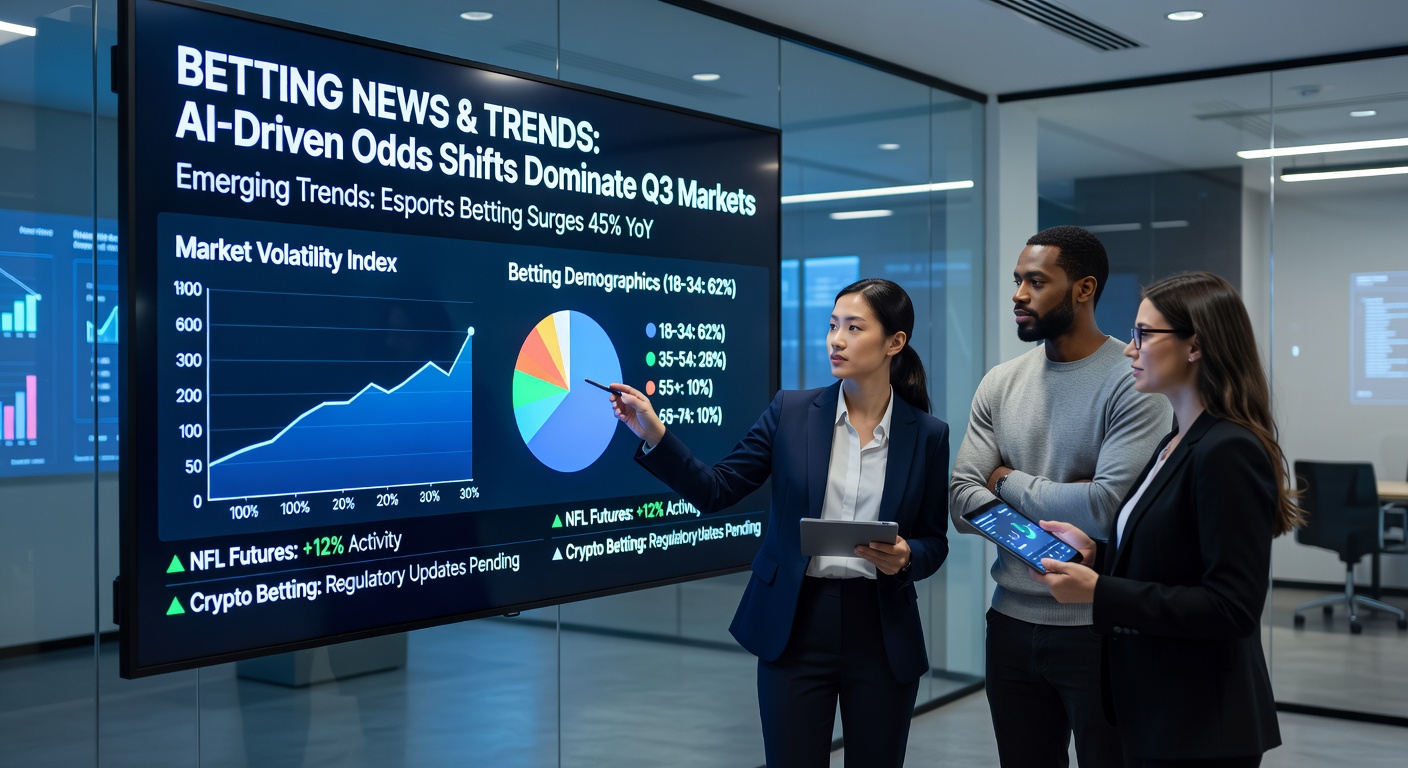
Live and in-play betting options along with bet builders and combination wagers continue to expand across online sportsbooks in 2026 while AI-driven odds and personalized markets gain traction through mobile-first platforms and advanced data analytics, and soccer along with the upcoming FIFA World Cup stands out as a primary catalyst for these developments according to industry reports. Operators respond by prioritizing faster updates to odds and expanded market selections that aim to boost user engagement during peak events.
Live Betting and In-Play Features Gain Momentum
Live and in-play betting allows participants to place wagers after events begin and this capability has prompted operators to refine their systems for rapid data processing and immediate market adjustments. Soccer matches provide ideal conditions for such features because frequent changes in game state create opportunities for updated propositions on goals, cards, and possession statistics. Data analytics support these adjustments by feeding real-time information into algorithms that recalculate probabilities within seconds of on-field developments.
Bet builders enable users to combine multiple elements from a single match or across events into one wager and this format has seen increased adoption as platforms integrate more granular statistics from soccer leagues worldwide. Combination wagers that link outcomes such as first goal scorer with total corners or player performance metrics appear more frequently in offerings and operators report higher volumes during live matches when these tools remain accessible through mobile applications.
AI Integration and Personalized Market Development
AI-driven systems now generate odds that reflect individual user patterns while maintaining regulatory compliance and these tools analyze historical betting behavior alongside current event data to present tailored selections. Personalized markets adjust available propositions based on location preferences and previous engagement levels yet they operate within frameworks that ensure fairness across all participants. Studies from research institutions indicate that such customization contributes to sustained activity levels particularly when integrated with mobile platforms that deliver notifications and quick access to updated lines.
What's notable is how these AI applications process vast datasets from past tournaments and ongoing seasons to anticipate demand shifts ahead of major soccer competitions. The upcoming FIFA World Cup amplifies this effect because global interest drives spikes in wager variety and operators prepare by expanding market depth in categories such as group stage results and individual player milestones. Reports from rg.org highlight that these preparations include enhanced server capacity to handle simultaneous live updates across multiple matches.
Mobile-First Platforms and Data Analytics Drive Accessibility
Mobile-first platforms serve as the primary interface for most users and they incorporate data analytics to streamline navigation through live markets and bet builder tools. These applications deliver push notifications for odds movements and in-game statistics which keep participants connected without requiring constant manual refreshes. Analytics teams at operator firms track engagement metrics such as session duration and market selection frequency to refine interface layouts and prioritize features that align with peak activity periods during soccer tournaments.
Expanded data streams from wearable technology and stadium sensors feed into these platforms and this flow supports more precise in-play adjustments for soccer events where timing and player positioning influence outcomes. Operators focus on reducing latency in market updates so that users experience seamless transitions between pre-match and live wagering phases. Evidence from industry analyses shows that platforms emphasizing these elements achieve higher retention rates when major events like the World Cup generate concentrated global traffic.
Soccer and FIFA World Cup as Central Growth Drivers
Soccer events including the FIFA World Cup function as key drivers because they combine widespread popularity with complex scoring dynamics that suit live betting and combination wagers. Operators expand offerings around qualifiers and friendly matches to test system performance ahead of the tournament and this preparation includes partnerships with data providers that supply detailed metrics on team formations and set-piece efficiencies. The concentration of matches during the World Cup period creates sustained demand for real-time updates and personalized recommendations that adapt to evolving tournament narratives.
Those who monitor market trends note that soccer's global reach allows operators to test AI personalization across diverse user bases and regions while maintaining consistent platform performance. Faster update cycles become essential during knockout stages when momentum shifts occur rapidly and combination wagers involving multiple matches gain appeal among users seeking structured participation. Data analytics underpin these expansions by identifying high-interest prop categories such as assists or clean sheets that align with viewer attention patterns observed in previous cycles.
Conclusion
Collectively these elements demonstrate how live betting capabilities, bet builders, AI personalization, mobile platforms, and data analytics converge to reshape online sportsbooks in 2026 with soccer and the FIFA World Cup providing the focal point for implementation and testing. Operators continue to allocate resources toward infrastructure that supports rapid market expansion and user engagement tools while regulatory considerations guide the deployment of AI features. The patterns established during this period reflect ongoing adaptation to technological capabilities and event-driven demand within the sector.