Weather Patterns Syncing Performance Data Across Baseball, Horse Racing, and Tennis Within Unified Mobile Platforms
Written by Theo Zimmermann · Jul 9, 2026
Weather Patterns Syncing Performance Data Across Baseball, Horse Racing, and Tennis Within Unified Mobile Platforms
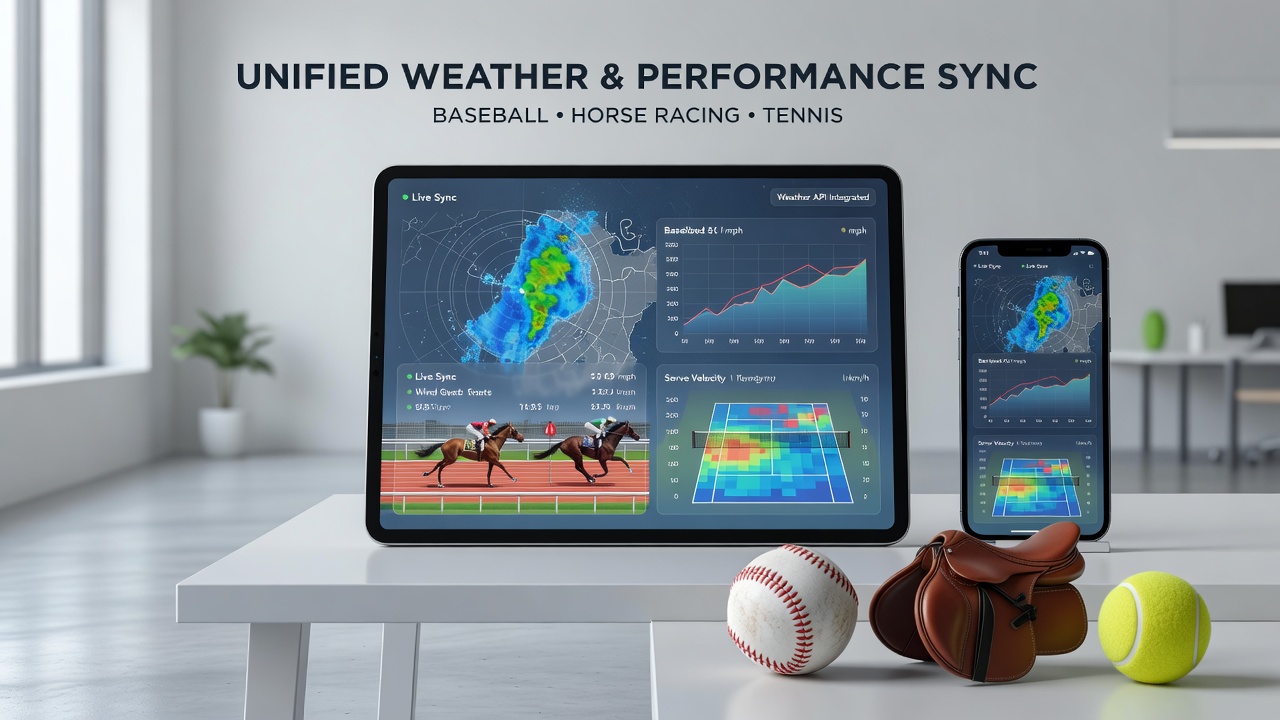
Weather conditions shape athletic outcomes in measurable ways, and mobile platforms now pull together real-time atmospheric readings with player and equine statistics to create unified data streams across baseball, horse racing, and tennis. These systems track variables such as wind speed, temperature, humidity, and precipitation, then align them with performance metrics like batting averages, race times, and serve percentages.
Developers design these applications to ingest feeds from meteorological stations and on-site sensors, which allows users to view correlations between environmental factors and event results in a single dashboard. In July 2026, operators reported expanded integration features that refresh every few minutes during live events, connecting weather overlays directly to historical performance databases.
Baseball Metrics and Atmospheric Variables
Baseball performance records show clear links to wind direction and temperature, where fly balls travel farther in warmer air while crosswinds alter trajectory paths during at-bats. Mobile platforms compile pitch-by-pitch data alongside hourly weather updates, enabling analysts to adjust expected values for hit probability models. Research from the National Oceanic and Atmospheric Administration indicates that humidity levels above 70 percent correlate with reduced exit velocities in multiple stadium environments.
Operators feed these inputs into algorithms that adjust live odds displays, yet the same data streams also support training applications used by coaching staffs who review seasonal patterns. Platforms merge stadium-specific microclimates with league-wide batting statistics, which produces comparative charts that update automatically when conditions shift.
Horse Racing Track Conditions and Timing Adjustments
Horse racing depends heavily on surface moisture and temperature gradients that affect footing and muscle response in thoroughbreds. Unified applications pull moisture content readings from track sensors and pair them with finish-time databases spanning multiple venues. When rainfall increases, times lengthen measurably, and systems flag these changes alongside past performances of individual horses under similar conditions.
Data integration occurs through standardized APIs that connect racing authorities with weather services, allowing the same interface to display both equine speed figures and current dew point levels. Observers note that July 2026 implementations added automated alerts when track variants exceed established thresholds, which helps users cross-reference results across different jurisdictions without switching applications.
Tennis Court Surfaces and Player Endurance Data
Tennis matches reveal performance shifts tied to heat index and wind gusts that influence ball speed and player recovery intervals. Mobile platforms aggregate court temperature readings with rally-length statistics and heart-rate data collected from wearable devices. High temperatures above 32 degrees Celsius have been associated with increased error rates on second serves according to studies conducted by university sports science departments in Australia.
These applications synchronize match timelines with localized forecasts, which produces visual timelines that overlay serve success percentages against humidity trends. Users access the same framework to compare indoor versus outdoor venues, where climate control removes many external variables and creates baseline references for outdoor event modeling.
Platform Convergence and Data Synchronization Methods
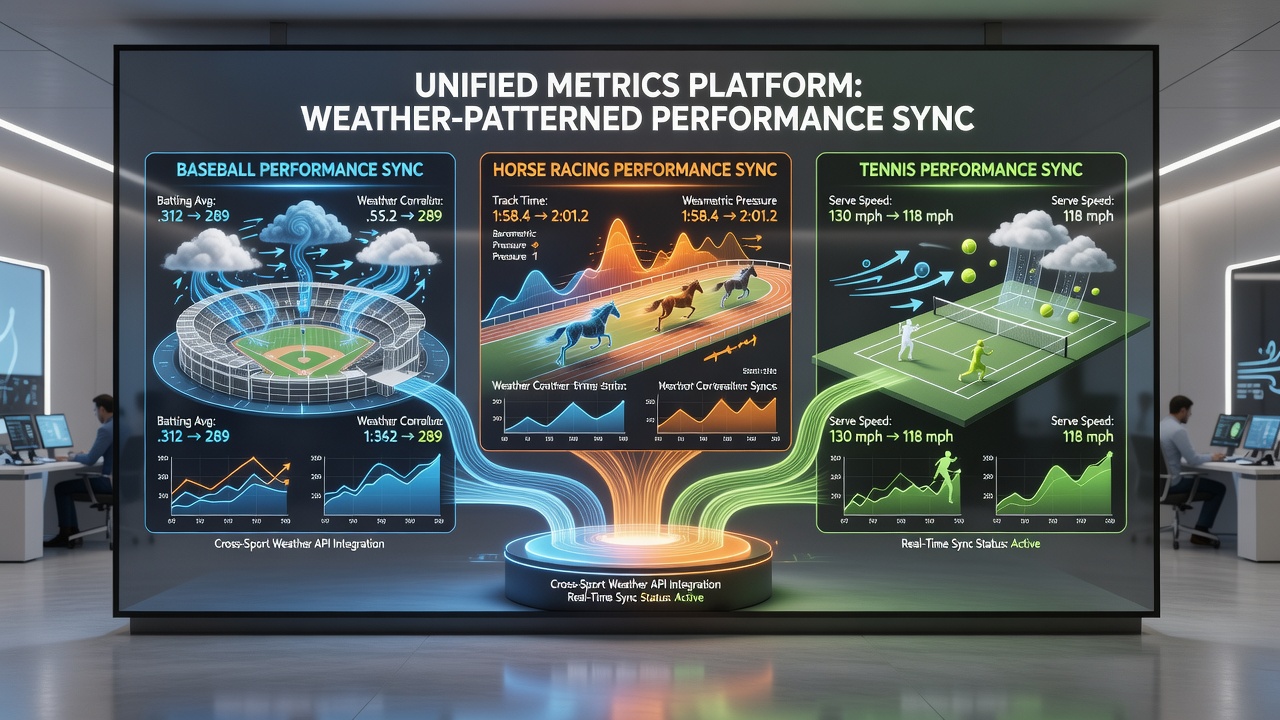
Unified mobile systems employ cloud-based architectures that normalize weather and performance datasets from disparate sources into consistent formats. Developers use timestamp synchronization protocols so that a baseball pitch recorded at 8:14 p.m. aligns precisely with wind measurements taken at the same second. This approach extends across horse racing events and tennis matches, allowing cross-sport queries within one interface.
Industry reports highlight that such convergence reduces data latency to under three seconds during peak hours, while encryption standards protect proprietary performance models. July 2026 updates introduced machine-learning layers that predict performance deviations based on incoming weather fronts, drawing from historical archives spanning five continents.
Cross-Sport Query Capabilities in July 2026
Users now execute searches that combine elements from all three sports under shared environmental parameters, for instance requesting instances where wind speeds exceeded 15 kilometers per hour and comparing outcomes in baseball, racing, and tennis simultaneously. These queries draw from centralized repositories maintained by platform operators who license data from multiple governing bodies.
Integration extends to notification systems that alert subscribers when forecasted conditions match historical performance clusters, which supports both analytical review and operational planning. The architecture remains modular, permitting additional sports or data types without restructuring core synchronization engines.
Conclusion
Mobile platforms continue to refine the linkage between meteorological inputs and performance records across baseball, horse racing, and tennis through standardized data pipelines and real-time processing. July 2026 developments demonstrate ongoing expansion of these capabilities, with emphasis on speed, accuracy, and cross-sport comparability. The resulting systems provide structured access to environmental and statistical information within single applications.